Wechat : +8618959969800

-
ABOUT USXinyuan is an innovative modern enterprise focusing on the field of construction machinery.

-
-
-
CONTACT US


26
2024
-
11
The Rise of Wheeled Hydraulic Excavators in Modern Construction
Author:
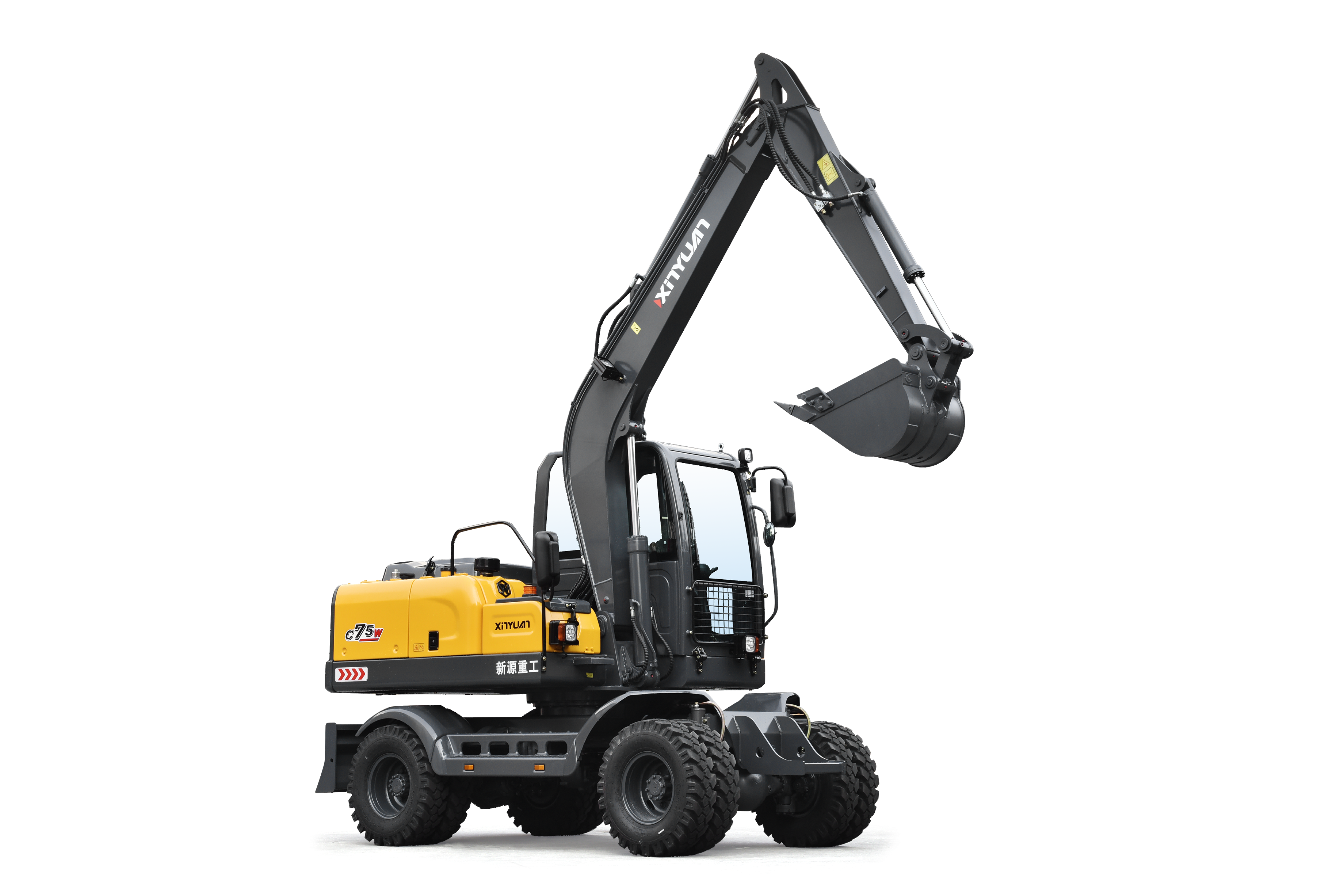
In recent years, the construction industry has witnessed a significant transformation with the increasing adoption of wheeled hydraulic excavators. These versatile machines are now becoming an integral part of construction projects, from urban development to roadworks, due to their unparalleled mobility and efficiency.
Wheeled hydraulic excavators combine the digging capabilities of traditional tracked models with the mobility of wheeled machines. This innovation allows construction crews to complete tasks faster and more efficiently, especially in projects where the terrain is more paved than rugged. Unlike traditional excavators that are limited by their tracks, wheeled hydraulic excavators can quickly move between work sites, reducing downtime and improving project timelines.
One of the key advantages of wheeled hydraulic excavators is their ability to travel at high speeds over paved roads. This ability is crucial when working on large-scale infrastructure projects that require the machine to move frequently between different job sites. With high transport speeds, these excavators cut down on the need for transporting heavy equipment using trucks, offering significant cost savings and time reductions. Furthermore, wheeled hydraulic excavators are highly maneuverable, making them ideal for urban construction, where space is often tight and mobility is critical.
Another factor contributing to the popularity of wheeled hydraulic excavators is their fuel efficiency. With fuel costs rising globally, companies are increasingly looking for machines that offer low operational costs while still delivering high performance. The design of wheeled hydraulic excavators allows them to operate more efficiently, consuming less fuel while maintaining power and digging capability comparable to tracked excavators.
Environmental concerns have also played a role in the rise of wheeled hydraulic excavators. As cities become more congested and environmental regulations become stricter, the demand for machines that can reduce emissions and fuel consumption is increasing. Many wheeled hydraulic excavators come equipped with eco-friendly engines that meet the latest emission standards, providing a greener solution for construction projects.
In conclusion, the adoption of wheeled hydraulic excavators is reshaping the construction landscape. These machines offer significant improvements in mobility, fuel efficiency, and productivity, making them a valuable asset for contractors worldwide. As technology continues to advance, it is likely that wheeled hydraulic excavators will become even more commonplace on construction sites, further enhancing the efficiency and sustainability of the industry.
Related news


 Esperanto
 Shqiptare
 Euskara
 Zulu
Zulu
 Latinus
 Cymraeg
 தமிழ்
தமிழ்
 Slovak
 Slovak
 Afrikaans
FOLLOW US